 TECH TIMES NEWS
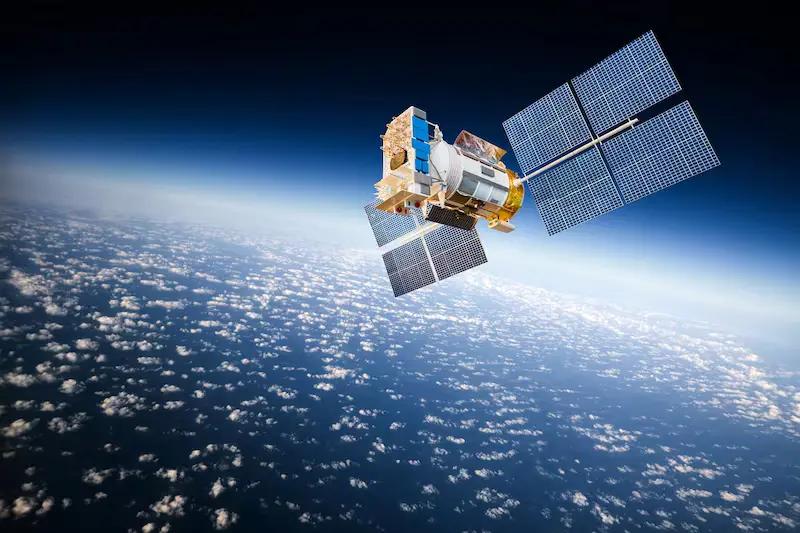
Satellite data collected over the past decade shows a clear trend: Earth is becoming progressively brighter at night. What was once limited to major urban hubs is now spreading across smaller cities, highways, and even rural regions. Scientists analyzing Earth observation data point to a consistent annual increase in artificial nighttime lighting, indicating that darkness is steadily being replaced by illumination.
This shift is not just a visual transformation—it reflects deeper economic, technological, and environmental changes happening worldwide.
What the Data Actually Reveals
Researchers rely on instruments such as the Visible Infrared Imaging Radiometer Suite (VIIRS) aboard NOAA satellites to monitor nighttime lights. These sensors capture high-resolution images of Earth after sunset, allowing scientists to track changes in brightness over time.
Recent analyses suggest that global radiance—essentially the amount of light emitted upward into space—has been increasing year-on-year. Some studies estimate growth rates of around 2% to 10% annually, depending on the region and measurement method. Notably, this rise continues even in developed countries where energy efficiency measures are in place.
A key driver behind this paradox is the widespread adoption of LED lighting. While LEDs consume less energy, they are often used more extensively, leading to a net increase in total light output—a phenomenon known as the rebound effect.
Urban Expansion and Infrastructure Boom
The expansion of cities is one of the most visible contributors to rising nighttime brightness. Rapid urbanization across Asia, Africa, and parts of Latin America has introduced new lighting infrastructure in areas that were previously dark.
Highways, industrial zones, residential complexes, and commercial centers all add layers of illumination. Even remote regions are now seeing increased brightness due to mining operations, oil extraction sites, and transportation networks.
In countries experiencing fast economic growth, nighttime light intensity has become a proxy indicator for development. Brighter regions often correlate with higher economic activity, improved connectivity, and increased population density.
The Hidden Cost: Light Pollution
While more light can signal progress, it also comes with unintended consequences. The rise in artificial illumination is contributing to light pollution, which is now considered a significant environmental issue.
Skyglow—the brightening of the night sky over populated areas—reduces visibility of stars and disrupts astronomical observations. For scientists and observatories, this means shrinking windows for deep-space research.
But the impact goes beyond astronomy. Excessive artificial light interferes with natural cycles that many species depend on.
Impact on Wildlife and Ecosystems
Many animals rely on darkness for navigation, reproduction, and feeding. Increased nighttime brightness can disrupt these behaviors in subtle but harmful ways.
Birds, for example, often become disoriented by artificial lights during migration. Sea turtles can mistake city lights for the moon, leading hatchlings away from the ocean. Insects, which play a crucial role in pollination, are particularly sensitive to artificial lighting and often suffer population declines in brightly lit areas.
These ecological disruptions can cascade through food chains, affecting entire ecosystems.
Human Health and Biological Rhythms
Artificial light at night also affects humans, particularly through disruption of circadian rhythms—the internal biological clock that regulates sleep.
Exposure to bright light during nighttime hours can suppress melatonin production, leading to sleep disorders and potential long-term health issues. Researchers are increasingly linking excessive nighttime lighting to conditions such as insomnia, metabolic disorders, and even certain chronic diseases.
As cities grow brighter, maintaining a balance between safety, convenience, and health becomes more critical.
A Challenge for Sustainability
The increasing brightness of Earth raises important questions about sustainability. While LED technology was initially promoted as an energy-saving solution, its widespread and often excessive use has offset many of those gains.
Experts suggest that smarter lighting strategies—such as directional lighting, motion sensors, and reduced intensity during low-activity hours—could help mitigate the problem without compromising safety or economic activity.
Policy interventions are also gaining traction, with some cities adopting “dark sky” initiatives aimed at reducing unnecessary light emissions.
What This Means Going Forward
The growing brightness of Earth at night is more than a technological side effect—it is a measurable indicator of how human activity is reshaping the planet. From urban expansion to energy consumption patterns, the trend reflects both progress and its trade-offs.
For policymakers, scientists, and urban planners, the challenge lies in managing this growth responsibly. The goal is not to return to darkness, but to find a balance where light serves its purpose without overwhelming the natural world.