 TECH TIMES NEWS
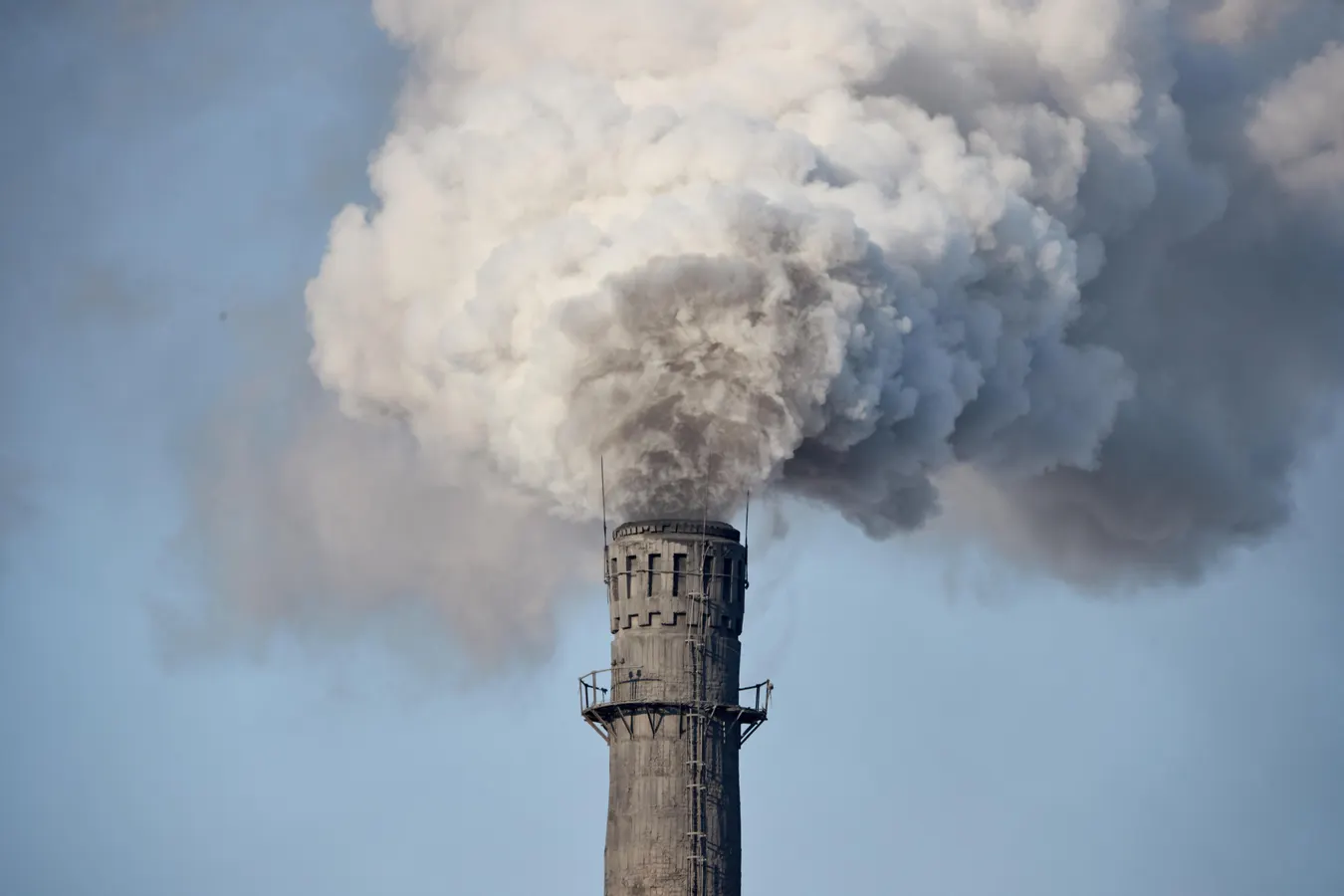
The world has reached a sobering milestone in 2025 as atmospheric carbon dioxide levels soared to 424 parts per million (PPM) — the highest concentration recorded since modern measurements began. The data, released by the U.S. National Oceanic and Atmospheric Administration (NOAA) and confirmed by NASA, marks the largest annual increase in CO₂ levels ever observed, surpassing previous records by a significant margin.
Scientists Warn of Accelerating Climate Impacts
Climate experts warn that this surge in CO₂ levels is accelerating the pace of global warming, fueling more frequent and intense heatwaves, droughts, and storms worldwide. According to researchers, the sharp rise corresponds to a continued dependence on fossil fuels and limited progress in transitioning to renewable energy sources.
Historical Context: From Industrial Era to Crisis Point
Before the Industrial Revolution, atmospheric CO₂ levels hovered around 280 PPM. By comparison, today’s concentration represents a staggering 51% increase, primarily driven by human activity such as coal, oil, and gas combustion. Scientists emphasize that the Earth has not experienced such high carbon levels in at least 4 million years, when global temperatures and sea levels were far higher than today.
Global Emission Trends Fuel the Rise
Despite pledges made under the Paris Agreement, global emissions continued to rise in 2024, particularly from Asia’s industrial sector and transportation emissions in developing economies. Deforestation in the Amazon and parts of Southeast Asia has also contributed by reducing the planet’s natural ability to absorb CO₂.
Experts Urge Immediate Global Action
Climate scientists and environmental agencies are calling for immediate measures to phase out fossil fuels, expand renewable infrastructure, and implement stronger carbon pricing mechanisms. “Each new record is a stark reminder of how quickly we’re changing the atmosphere,” said Dr. Ralph Keeling, director of the Scripps CO₂ Program. “The window to stabilize the climate is rapidly closing.”
Path Forward: Technology and Policy Must Unite
Experts emphasize that tackling rising CO₂ levels will require a multi-pronged global effort, combining technological innovation, policy enforcement, and individual lifestyle changes. The expansion of carbon capture and storage (CCS) technologies, along with massive renewable energy investment, could slow the climb — but only if global cooperation accelerates immediately.