 TECH TIMES NEWS
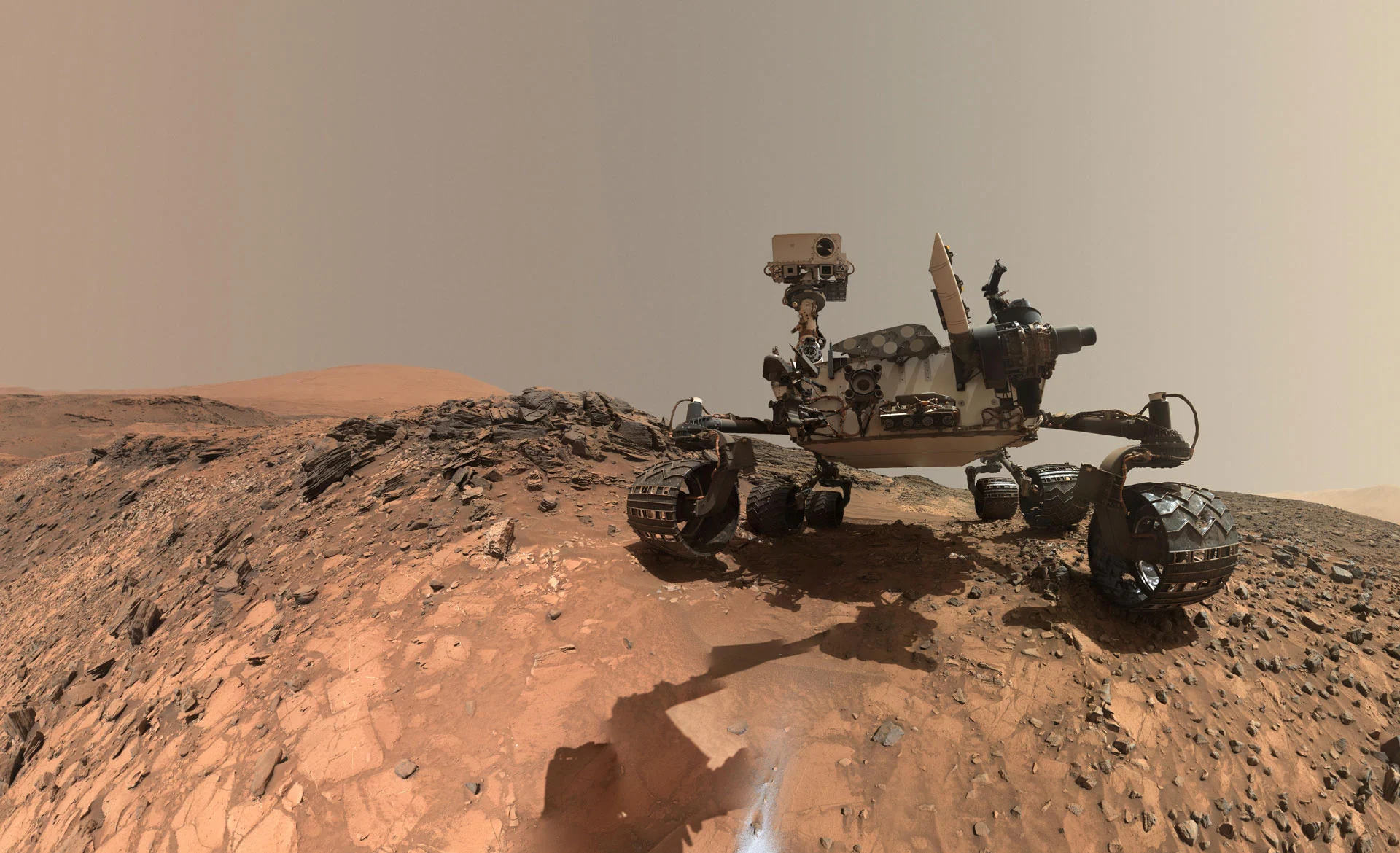
NASA’s Curiosity rover, currently exploring Mars’ Gale Crater, has encountered an unexpected geological formation—a crater filled predominantly with loose sand rather than solid rock. The discovery, while not entirely unusual for Mars, has forced mission scientists to reassess their immediate drilling plans, highlighting the unpredictable nature of planetary exploration.
Curiosity, which has been operating on Mars since its landing in August 2012, relies heavily on drilling into rock surfaces to collect powdered samples. These samples are then analyzed by onboard instruments to understand the planet’s past environment, particularly its potential to support microbial life. However, the presence of soft, shifting sand presents a significant challenge for such operations.
Why Sand Changes Everything for the Rover
Drilling on Mars is not as straightforward as it might seem. Curiosity’s drill is specifically designed for stable, solid rock targets. Sand-filled terrain lacks the structural integrity required for effective drilling, increasing the risk of equipment instability or sample contamination.
NASA engineers are cautious about deploying the drill in such conditions. Loose sand can cause the drill to slip or fail to collect usable material, potentially wasting valuable mission time and resources. As a result, the team has opted to postpone drilling activities in this region and instead focus on identifying nearby rock formations that meet the mission’s scientific criteria.
Scientific Opportunity Hidden in the Challenge
While the sand-filled crater disrupts immediate plans, it also opens new avenues for scientific investigation. Sand deposits on Mars can carry crucial clues about wind patterns, erosion processes, and the planet’s climatic history.
By studying the composition and distribution of this الرمل-like material, scientists can gain insights into how Martian landscapes evolve over time. Instruments such as the Chemistry and Camera (ChemCam) and Mastcam onboard Curiosity can analyze grain size, mineral composition, and layering without the need for drilling.
This shift in focus underscores a key strength of the mission: adaptability. Curiosity is not limited to a single method of analysis and can pivot its approach based on real-time discoveries.
Gale Crater: A Treasure Trove of Martian History
Curiosity’s broader mission in Gale Crater remains unchanged. The rover is climbing Mount Sharp (Aeolis Mons), a layered mountain that preserves billions of years of Martian geological history. Each layer offers a snapshot of environmental conditions from different eras, including periods when liquid water may have existed on the surface.
The newly discovered sand-filled crater adds another piece to this complex puzzle. It may represent a more recent geological process compared to the ancient rock layers Curiosity typically studies, offering a contrast between Mars’ past and its present-day surface dynamics.
Engineering Constraints Meet Scientific Curiosity
This development also highlights the delicate balance between engineering limitations and scientific ambition in space missions. Every decision—whether to drill, drive, or analyze—must consider both the rover’s safety and the mission’s long-term goals.
Curiosity’s drill has already undergone modifications earlier in the mission due to wear and technical challenges. These constraints make it even more critical for NASA to carefully select drilling targets that maximize scientific return while minimizing risk.
What This Means for Future Mars Exploration
The encounter with a sand-filled crater serves as a reminder for future missions, including NASA’s Perseverance rover and upcoming Mars sample return efforts. Terrain variability on Mars can significantly impact mission timelines and strategies.
Understanding how to navigate and adapt to such environments will be crucial for both robotic and eventual human exploration. Lessons learned from Curiosity continue to inform the design and operation of next-generation Mars missions.
The Takeaway: Flexibility is Key on Mars
For readers and space enthusiasts, this development reinforces a simple but powerful idea: exploration is inherently unpredictable. Even after more than a decade on Mars, Curiosity continues to encounter surprises that challenge assumptions and refine scientific approaches.
Rather than being a setback, the sand-filled crater is a testament to the mission’s resilience and the dynamic nature of Mars itself. Each unexpected finding brings scientists one step closer to understanding the Red Planet’s past—and its potential for life.