 TECH TIMES NEWS
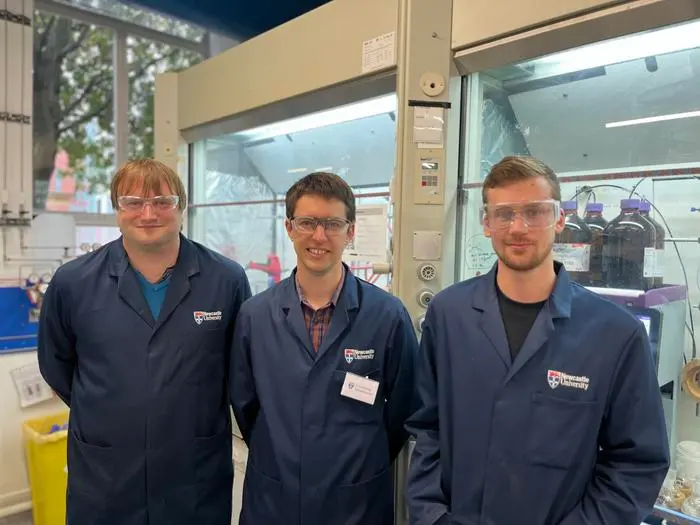
In a major scientific advancement, researchers have discovered an environmentally friendly method to break down and recycle Teflon, one of the most chemically resistant materials on Earth. The new process could redefine how industries handle perfluorinated polymers—substances long considered nearly indestructible. Teflon, known for its non-stick and heat-resistant qualities, is used in everything from cookware to spacecraft components, but it has also been infamous for its environmental persistence.
Solving the ‘Forever Plastic’ Problem
For decades, Teflon (polytetrafluoroethylene, or PTFE) has been a major environmental concern. Its strong carbon-fluorine bonds make it nearly impossible to degrade naturally, earning it a place among the so-called “forever chemicals.” Now, scientists have developed a method that uses mild chemical conditions to safely dismantle these robust polymers without producing toxic byproducts—an achievement previously thought unfeasible.
Low-Temperature Process with Zero Toxic Emissions
Unlike traditional disposal methods that require high temperatures and emit harmful gases, this new technique relies on a catalytic reaction in a controlled aqueous environment. Researchers use a unique combination of reagents that selectively attack the polymer’s fluorine bonds, allowing for controlled depolymerization. The process runs at relatively low temperatures, drastically reducing energy requirements and environmental impact.
Turning Waste into Valuable Fluorinated Compounds
Instead of destroying the material, the researchers found a way to recover useful fluorine-containing molecules from the breakdown process. These compounds can be reused in producing new, high-performance materials, effectively closing the recycling loop for Teflon and other fluoropolymers. This circular approach could lead to significant reductions in fluorinated waste across industries.
Environmental and Industrial Implications
Experts believe the discovery could revolutionize waste management in sectors like aerospace, automotive, and electronics, where fluorinated materials are widely used. With mounting global pressure to address PFAS and related pollutants, this innovation presents a sustainable alternative that could shape future regulations and manufacturing practices.
Next Steps Toward Commercialization
The research team plans to scale up the process and collaborate with chemical manufacturers to evaluate industrial applications. If successful, this breakthrough could mark a turning point in how the world deals with Teflon waste—transforming one of humanity’s most durable pollutants into a recyclable resource.