 TECH TIMES NEWS
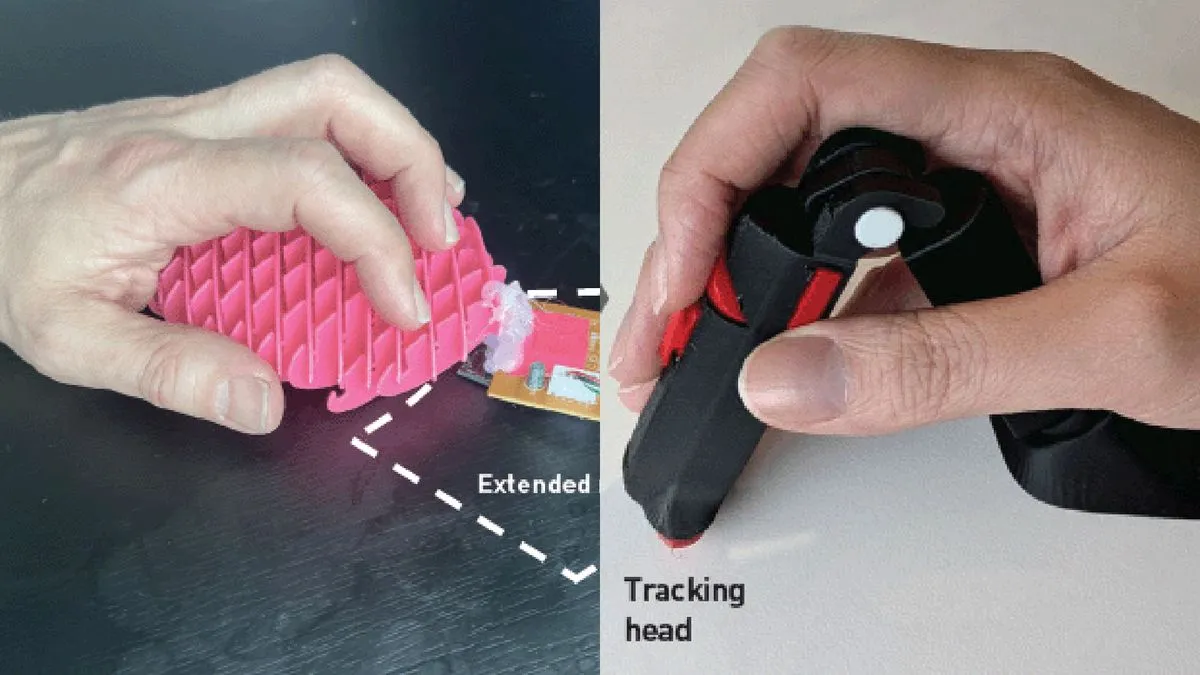
In a groundbreaking step toward healthier computing, researchers have revealed a series of unconventional computer mouse prototypes designed to significantly reduce wrist strain and prevent repetitive strain injuries (RSI). The study highlights how innovative shapes, including vertical grips, split-body models, and even gyroscopic devices, could transform everyday computer use.
A Growing Health Concern for Digital Workers
With millions of professionals spending long hours at their desks, wrist injuries and conditions like carpal tunnel syndrome have become a rising occupational hazard. Traditional flat mouse designs force users into unnatural hand postures, often leading to chronic pain. Scientists argue that the redesign of such an essential tool is long overdue.
From Vertical to Joystick-Inspired Designs
The latest experiments include mouse designs that resemble joysticks, pen-holders, and even trackball hybrids. Each concept emphasizes a neutral wrist angle, ensuring less pressure on tendons and nerves. Some models are built to engage the arm rather than just the wrist, distributing the strain more evenly across muscles.
Health Meets Technology
Beyond shape, researchers are testing features like adaptive grip surfaces and real-time feedback sensors that track strain during use. Early trials show promising results, with participants reporting reduced discomfort after just a few weeks. Experts believe such designs could soon become mainstream, especially in remote work and gaming communities.
Market Potential and Next Steps
Ergonomic tech is becoming a booming industry, and manufacturers are already exploring commercial versions of these experimental mice. Analysts predict that companies investing in employee health may adopt these products on a large scale, turning what once seemed like bizarre gadgets into workplace essentials.