 TECH TIMES NEWS
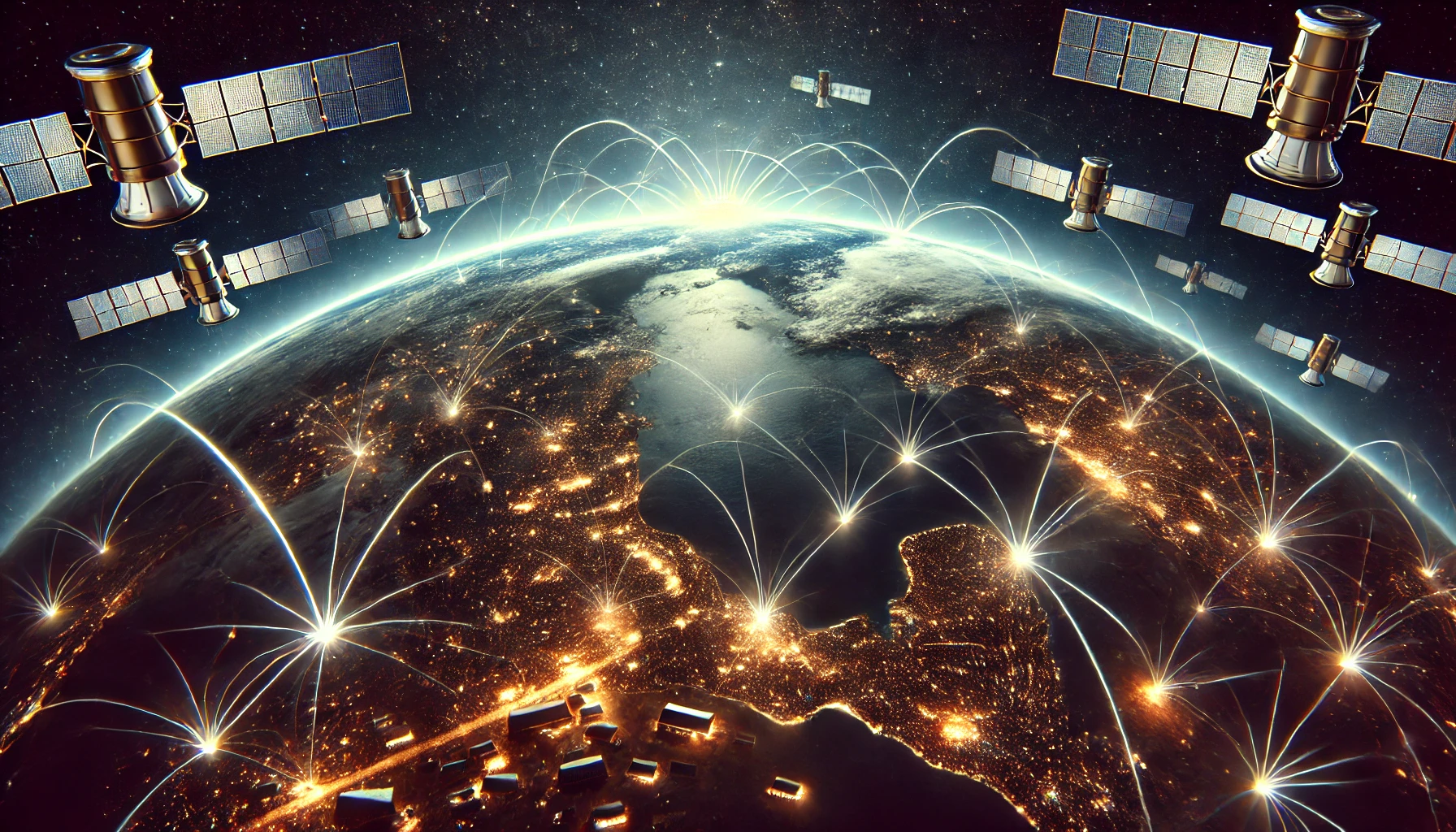
Elon Musk’s Starlink: Revolutionizing Global Internet Connectivity
In an era where the internet has become as essential as electricity and clean water, access to a fast, reliable connection remains a challenge in many parts of the world. Enter Starlink, Elon Musk’s ambitious satellite internet project, which aims to bridge this digital divide and provide high-speed connectivity to even the most remote corners of the globe.
What is Starlink?
Starlink is a satellite-based broadband internet service developed by SpaceX, the aerospace company founded by Elon Musk. Unlike traditional internet providers that rely on underground cables and fiber optics, Starlink uses a constellation of low Earth orbit (LEO) satellites to deliver high-speed internet directly to users.
How Does It Work?
The system consists of three key components:
-
Satellites: Thousands of small satellites orbit the Earth at altitudes of around 550 kilometers, significantly lower than conventional communication satellites. This reduces latency and improves connection speeds.
-
Ground Stations: These relay data between the satellites and the broader internet infrastructure.
-
User Terminals: Customers receive internet signals through a small, pizza-box-sized dish that connects to the nearest satellite.
The Vision Behind Starlink
Elon Musk envisions a world where geography no longer limits internet access. From rural villages in Africa to remote Arctic research stations, Starlink promises to bring high-speed connectivity to places where traditional ISPs have struggled to reach. The project is particularly beneficial for:
-
Rural and Remote Areas: Starlink provides an alternative to slow, unreliable DSL connections in underserved regions.
-
Disaster Response: The system can restore communication networks in areas affected by natural disasters.
-
Military and Government Use: Secure and stable communication for defense and governmental agencies.
Challenges and Criticism
Despite its promising technology, Starlink is not without its challenges:
-
Astronomical Concerns: Astronomers have raised concerns that the satellites interfere with ground-based telescopes, affecting space observations.
-
Cost: While prices are competitive in some regions, the initial equipment fee (around $599) and monthly subscription ($110 to $120) may be prohibitive for some users.
-
Regulatory Hurdles: SpaceX needs approval from governments worldwide, which can slow down deployment in some regions.
Global Expansion and Future Plans
As of 2025, Starlink operates in over 60 countries, with continuous expansion efforts. SpaceX is launching more satellites regularly to improve coverage and network capacity. Additionally, Starlink is exploring applications beyond home internet, including:
-
Aviation: High-speed Wi-Fi for airplanes.
-
Maritime Connectivity: Internet access for ships and offshore rigs.
-
Mobile Integration: Plans to integrate Starlink with smartphones for seamless connectivity anywhere in the world.
Final Thoughts
Starlink is more than just another internet provider—it’s a technological revolution with the potential to reshape how the world stays connected. While challenges remain, its rapid growth and innovative approach make it a game-changer in global telecommunications. With Elon Musk’s relentless drive, the dream of a truly interconnected world might not be so far away.